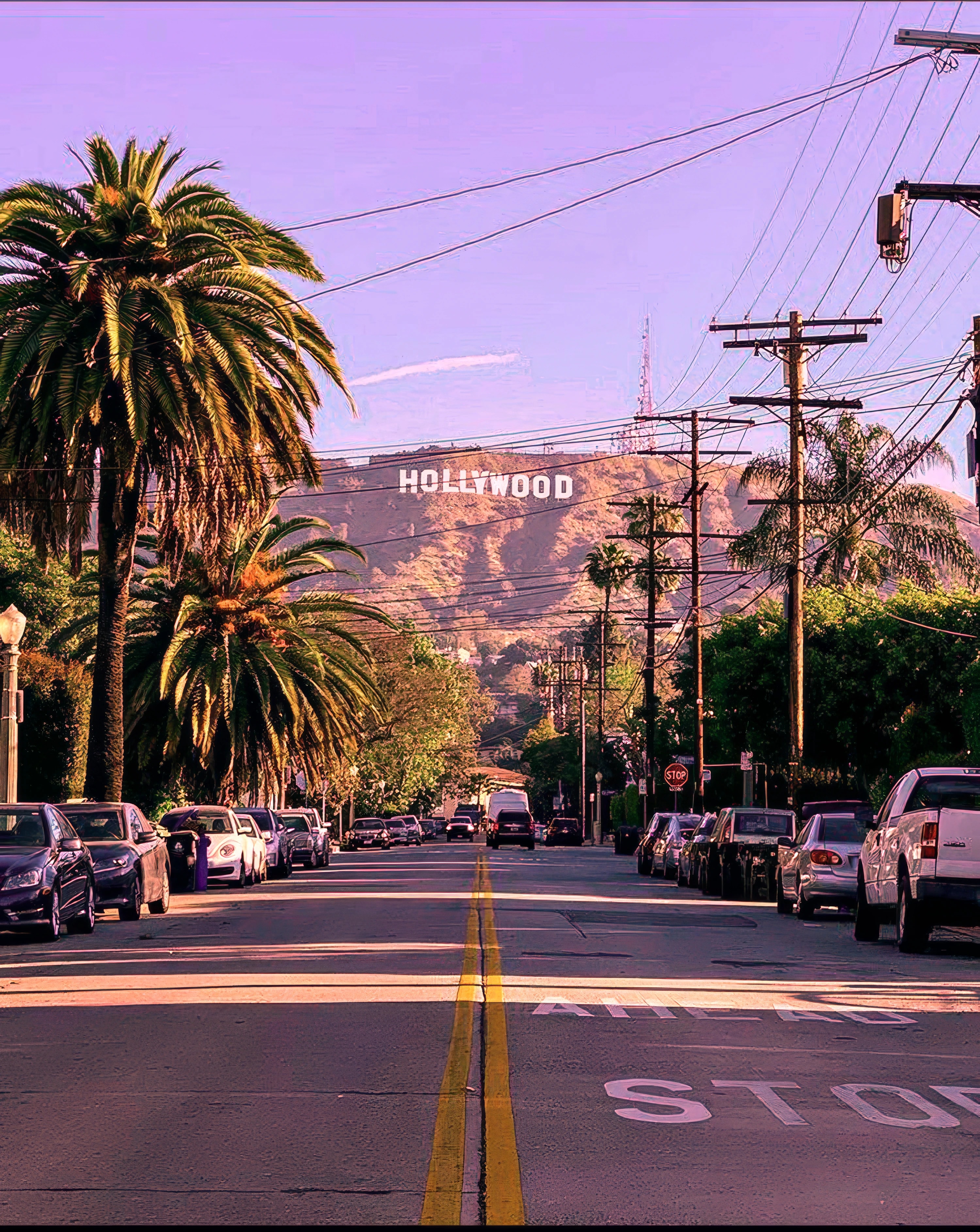
Los Angeles has built its identity around an unspoken promise: nothing here is ever final. Success can be achieved, the body reshaped, the image reinvented and life begun again. It is the world capital of image-making, yet it is also one of the cities in which the search for inner meaning has taken its most diverse and pervasive forms. Materialism and spirituality, seemingly irreconcilable, arise from the same aspiration: to transcend what one has been given.
Hollywood transformed this aspiration into an industry. For more than a century, it has created characters, worlds and models of living capable of influencing the way millions of people imagine success. Its impact extends far beyond cinema. It has helped spread the idea that identity can be constructed, perfected and continually redefined.
Over time, this vision has permeated every aspect of urban culture. Fashion, advertising, cosmetic surgery, fitness and, more recently, social media have reinforced a shared principle: identity is not an immutable fact, but an open-ended project. In Los Angeles, transformation is not the exception. It is almost a natural condition.
Success itself assumes an immediately recognisable form. The house, the neighbourhood, the car, the body and access to certain social circles all become indicators of status. Hillside residences turn the view into a private privilege; Beverly Hills and Rodeo Drive condense the symbolic power of consumption; even the greenery, kept luxuriant in a naturally arid landscape, conveys an idea of prosperity created and maintained with care.
Architecture fully participates in this language. In the city’s most iconic residences, vast glass surfaces dissolve the boundary between interior and exterior, while terraces and swimming pools extend the gaze towards the landscape. The view becomes part of the experience of living and, at the same time, part of the way the self is presented.
Yet the same place that perfected the cult of the image has also developed one of the most eclectic spiritual cultures in the Western world. As early as the first half of the twentieth century, Los Angeles became one of the principal meeting points between Western thought and Eastern traditions. Spiritual communities, meditation centres, yoga schools and disciplines devoted to personal growth found particularly fertile ground here, contributing to the city’s identity as profoundly as cinema and the entertainment industry.
This openness does not arise from a contradiction, but from the same idea that fuelled the Hollywood myth: the belief that human beings can transform themselves. The culture of success acts upon the visible dimension of life; spiritual exploration addresses the inner one. The methods change, but the objective remains the same.
It is precisely within this convergence that the most distinctive character of Los Angeles can be found. Materialism and spirituality are not two opposing forces, but two different paths responding to the same question: to what extent can we reinvent ourselves?
More than a model of luxury or celebrity, the city continues to export an idea: no identity is ever final.


